
The esports industry in South Korea is on the cusp of a major shift. Recent policy proposals and regulatory discussions suggest that the government — together with esports stakeholders — is seeking to modernize the sector’s legal and structural framework to promote growth, sustainability, and broader social acceptance.
What’s Driving the Push for Reform
• Recognition of Esports as a Strategic Industry
At the 2025 G‑STAR 2025 gaming expo in Busan, Democratic Party of Korea (DPK) leader Jung Chung-rae reaffirmed his party’s commitment to gaming and esports, calling them “a key part of Korea’s digital economy and future growth engine.”
He stressed that what was once dismissed as “addictive games” should be viewed today as a legitimate industry with economic, cultural and global-export potential.
• Legal Frameworks Up for Revision
The ongoing update to the Game Industry Act — first enacted nearly two decades ago — is expected to modernize the legislation governing games and esports.
Part of this revision aims to lower entry barriers for smaller developers and newcomers by broadening qualification criteria (e.g. based on capital or sales), thus encouraging innovation and competition in the domestic gaming market.
Structural & Institutional Moves Underway
• Towards Stable Funding & Institutional Support
The Korea e‑Sports Association (KeSPA) has proposed integrating esports into the national sports funding scheme — the Sports Promotion Voting Rights Act (Sports Toto).
If adopted, this would allow esports to receive a share of the national Sports Promotion Fund, which historically supports traditional sports via team operations, infrastructure, and youth programmes. This represents a significant shift in how esports is funded and institutionalized.
• Launch of Region-Based Professional Leagues
2025 has seen the debut of the first government-backed regional esports league: Korea Esports League (KEL).
KEL brings together major developers and the government — including the Ministry of Culture, Sports and Tourism — to run a structured competitive circuit featuring games such as Battleground Mobile, Eternal Return, and FC Mobile. Teams represent cities and provinces across South Korea, encouraging grassroots and regional involvement.
 What the Reforms Aim to Fix
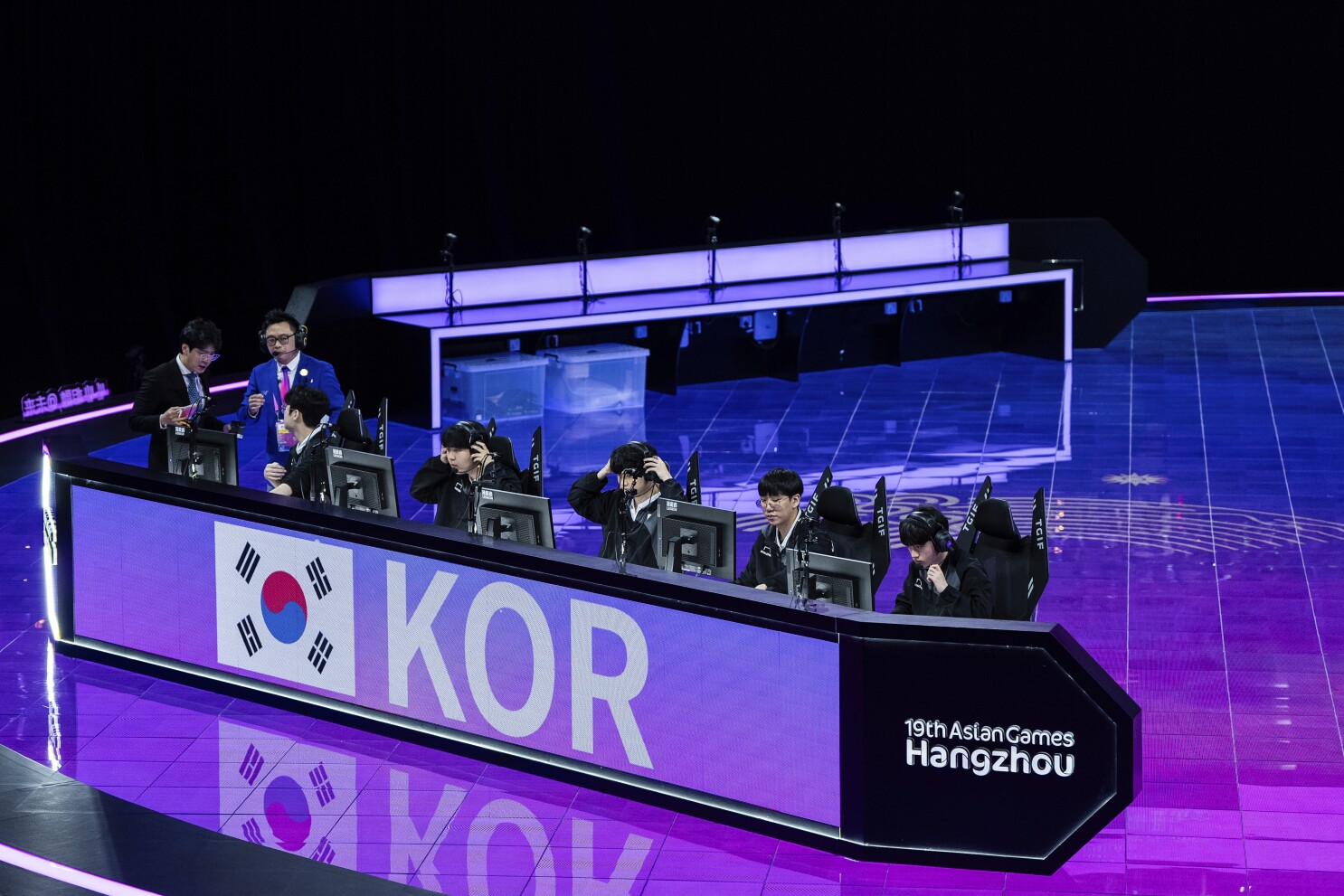 What the Reforms Aim to Fix
The moves are designed to address several long-standing challenges in Korea’s esports and gaming ecosystem:
-
Lack of stable institutional support and funding — by integrating esports into national sports funding and revising laws to support smaller firms.
-
Fragmented regulation and uncertainty for developers — older laws no longer reflect modern gaming or esports realities; reforms may foster innovation and fairness.
-
Insufficient structure for pro gamers and teams — through formal leagues, regional representation, and clearer legal backing.
-
A need to boost Korea’s global competitiveness — especially in exporting esports and gaming content, and sustaining long-term growth.
Potential Upsides — and What’s At Stake
If successfully implemented, the reforms could:
-
Position South Korea as a global leader in regulated, professional esports.
-
Attract more investment (domestic and international) into esports infrastructure, development studios, and global-grade competitions.
-
Provide stability, legitimacy, and career paths for pro players, developers, and esports-related businesses.
-
Expand esports’ social acceptance — shifting public view of gaming from “leisure” or “addiction risk” to a legitimate cultural and economic activity.
But there are challenges: the success depends on actual execution — from passing legislation to building infrastructure, ensuring fair treatment for smaller studios, and balancing regulation with innovation.
What’s Next to Watch
-
Whether the revised Game Industry Act passes and how its changes (e.g. broadened qualification criteria) shape the domestic gaming ecosystem.
-
Whether esports is officially added to the national Sports Promotion scheme, giving it access to funding and institutional support.
-
How regional leagues like KEL evolve — whether they expand in scale, professionalism, and financial stability.
-
How stakeholders (developers, pro-teams, regulators, players) respond — whether reforms lead to a more open, competitive and sustainable esports scene in Korea.
Related posts